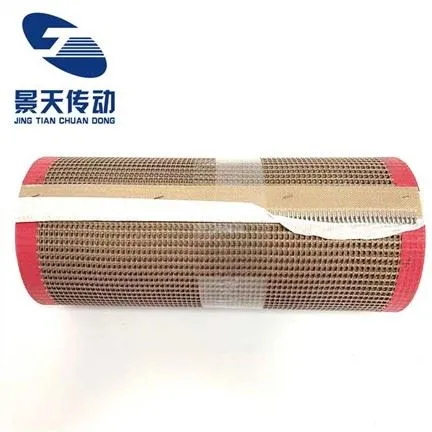
When it comes to industrial operations, the efficiency and reliability of conveyor systems are paramount. As a leading supplier of Rough Top Conveyor Belts, I often get asked about the speed range of these essential components. In this blog post, I'll delve into the factors that influence the speed range of a rough top conveyor belt and provide some insights to help you make informed decisions for your specific applications.
Understanding Rough Top Conveyor Belts
Rough top conveyor belts are designed with a textured surface to provide better grip and traction for materials being transported. This makes them ideal for applications where products need to be moved at an angle or where there is a risk of slippage. These belts are commonly used in industries such as food processing, packaging, agriculture, and manufacturing.
Factors Affecting the Speed Range
The speed range of a rough top conveyor belt is determined by several factors, including the type of material being conveyed, the design of the conveyor system, and the specifications of the belt itself. Let's take a closer look at each of these factors:
Material Being Conveyed
The type and characteristics of the material being transported play a significant role in determining the appropriate speed range. For example, lightweight and small items can typically be conveyed at higher speeds compared to heavy or large objects. Additionally, materials that are prone to damage or require gentle handling may need to be transported at slower speeds to prevent breakage or product loss.
Conveyor System Design
The design of the conveyor system, including the length, width, and incline of the conveyor, can also impact the speed range. Longer conveyors may require slower speeds to ensure proper product handling and to prevent jams or blockages. Similarly, conveyors with steeper inclines may need to operate at lower speeds to maintain the stability of the materials being transported.
Belt Specifications
The specifications of the rough top conveyor belt, such as the thickness, texture, and material composition, can also affect its speed range. Thicker belts may be more suitable for higher speeds as they provide greater durability and strength. The texture of the belt surface can also influence the speed, as a rougher texture may provide better grip but could also increase friction and limit the maximum speed.
Typical Speed Range
In general, the speed range of a rough top conveyor belt can vary from as low as a few meters per minute to as high as several hundred meters per minute. However, the most common speed range for these belts is between 10 and 60 meters per minute. This range is suitable for a wide variety of applications and provides a good balance between efficiency and product handling.
For applications that require higher speeds, such as high-volume packaging or sorting operations, conveyor belts can be designed to operate at speeds of up to 100 meters per minute or more. However, it's important to note that operating the belt at higher speeds may require additional considerations, such as increased power consumption, higher maintenance requirements, and potential safety risks.


On the other hand, applications that involve delicate or fragile materials may require slower speeds, typically in the range of 5 to 10 meters per minute. This allows for gentle handling of the products and reduces the risk of damage.
Choosing the Right Speed Range for Your Application
When selecting the appropriate speed range for your rough top conveyor belt, it's important to consider the specific requirements of your application. Here are some key factors to keep in mind:
Product Characteristics
Consider the size, weight, and fragility of the materials being conveyed. This will help you determine the maximum speed at which the products can be transported without causing damage or product loss.
Conveyor System Requirements
Take into account the length, width, and incline of the conveyor system. Longer conveyors or those with steeper inclines may require slower speeds to ensure proper product handling and to prevent jams or blockages.
Production Efficiency
Balance the need for speed with the overall production efficiency. While higher speeds can increase throughput, they may also require additional resources and maintenance. Consider the cost-benefit analysis of operating the conveyor belt at different speeds to determine the optimal balance for your operation.
Safety Considerations
Ensure that the selected speed range complies with all safety regulations and standards. Operating the conveyor belt at excessive speeds can pose a safety risk to workers and may result in accidents or injuries.
Our Product Offerings
As a supplier of Rough Top Conveyor Belts, we offer a wide range of products to meet the diverse needs of our customers. Our belts are made from high-quality materials and are designed to provide reliable performance and long service life. Some of our popular products include:
- 5m Pu Timing Belt: This belt is made from polyurethane and features a 5mm pitch timing design. It is suitable for high-speed applications and provides excellent traction and durability.
- Black Rough Top Pvc Conveyor Belt: This belt is made from PVC and has a rough top surface for better grip. It is ideal for applications in the food processing, packaging, and light industrial sectors.
- Sponge Conveyor Belt: This belt is made from a sponge material and is designed for applications that require gentle handling of delicate products. It provides excellent cushioning and shock absorption.
Contact Us for Your Conveyor Belt Needs
If you're looking for a reliable supplier of Rough Top Conveyor Belts, we'd love to hear from you. Our team of experts can help you select the right belt for your application and provide you with all the information you need to make an informed decision. Whether you're a small business or a large industrial operation, we have the products and expertise to meet your conveyor belt needs.
Don't hesitate to reach out to us to discuss your requirements and to get a quote for your project. We look forward to working with you to find the perfect conveyor belt solution for your business.
References
- Conveyor Belt Handbook, published by the Conveyor Equipment Manufacturers Association (CEMA)
- Industrial Conveyor Systems: Design and Application, by C. W. Assaad