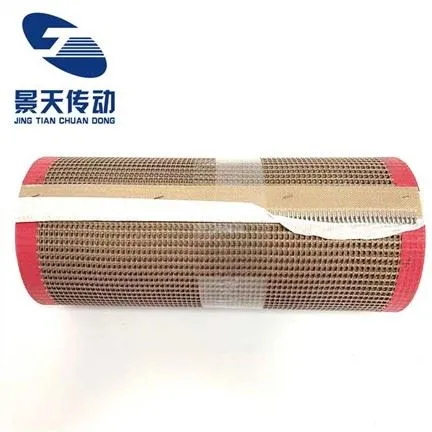
What is the cost of maintaining a Rough Top Conveyor Belt?
As a supplier of Rough Top Conveyor Belts, I've seen firsthand the importance of understanding the costs associated with their maintenance. These belts are widely used in various industries, from agriculture to manufacturing, due to their excellent grip and durability. But what exactly goes into maintaining them, and how much does it cost?
1. Initial Inspection and Installation Costs
Before the Rough Top Conveyor Belt starts its operation, there are some upfront costs related to inspection and installation. A proper inspection of the belt upon delivery is crucial. This includes checking for any visible damages such as cuts, tears, or uneven surfaces on the rough top. The cost of this inspection can vary depending on the complexity of the belt and the inspection method used. In some cases, simple visual inspections may be sufficient, which can be done in - house at a relatively low cost. However, for more critical applications, non - destructive testing methods might be employed, which can add to the initial cost.
The installation process also incurs expenses. Professional installers are often required to ensure that the belt is installed correctly, with the right tension and alignment. Incorrect installation can lead to premature wear and tear, so it's a worthy investment. The cost of installation depends on the size of the conveyor system and the level of expertise required. For a small - scale industrial conveyor, the installation cost could range from a few hundred to a couple of thousand dollars.
2. Regular Cleaning and Lubrication
Regular cleaning is one of the most fundamental aspects of maintaining a Rough Top Conveyor Belt. The rough top surface can trap dust, debris, and other contaminants, which can not only affect the belt's performance but also cause damage over time. Cleaning methods can vary from simple manual brushing to using automated cleaning systems.
Manual cleaning is the most cost - effective option in the short term. All it requires is a brush and some cleaning agents. However, it is time - consuming and may not be as thorough as automated cleaning. Automated cleaning systems, on the other hand, can be quite expensive to purchase and install. But they offer consistent and efficient cleaning, reducing the long - term maintenance costs.
Lubrication is also important, especially for the moving parts associated with the conveyor belt, such as pulleys and bearings. Using the right lubricant can reduce friction, prevent overheating, and extend the lifespan of these components. The cost of lubricants depends on the type and quantity required. High - quality lubricants may cost more initially but can save money in the long run by reducing wear and tear.


3. Belt Replacement and Repairs
Over time, the Rough Top Conveyor Belt will experience wear and tear. Minor damages such as small cuts or abrasions can often be repaired. There are various repair methods available, including using patch kits. Patch kits are relatively inexpensive, usually costing between $50 - $200 depending on the size and quality. However, for larger damages or when the belt has reached the end of its service life, replacement is necessary.
The cost of a new Rough Top Conveyor Belt depends on several factors, such as its size, material, and the specific application requirements. For example, a standard - sized belt made of basic materials may cost a few hundred dollars, while a custom - made belt for a high - performance application can cost several thousand dollars.
4. Monitoring and Preventive Maintenance
Implementing a monitoring system for the Rough Top Conveyor Belt can help detect potential issues before they become major problems. This can involve using sensors to monitor factors such as belt tension, temperature, and speed. The cost of installing a monitoring system can be significant, especially for large - scale conveyor systems. However, it can save a lot of money in the long term by preventing costly breakdowns and unplanned downtime.
Preventive maintenance programs also play a crucial role. These programs typically involve regular inspections by trained technicians, who can identify and address minor issues before they escalate. The cost of a preventive maintenance program depends on the frequency of inspections and the level of service provided.
Comparing with Other Types of Conveyor Belts
It's also interesting to compare the maintenance costs of Rough Top Conveyor Belts with other types of conveyor belts. For example, the Polyester Cotton Conveyor Belt is often used in light - industry applications. It generally has lower maintenance costs compared to Rough Top Conveyor Belts, as it is less prone to damage from heavy - duty materials. However, it may not offer the same level of grip as the Rough Top Conveyor Belt, which can limit its use in some applications.
The Cut Resistant Conveyor Belt is designed to withstand sharp objects. While it may have a higher initial cost, its maintenance costs can be relatively lower in environments where cuts are a major concern. This is because it is less likely to require frequent repairs or replacements due to cutting damage.
Another type is the PU Seamless Timing Belt. These belts are often used in precision - based applications. Their maintenance costs are mainly related to ensuring proper alignment and tension. They may require more frequent inspections compared to Rough Top Conveyor Belts, but the cost of replacement can be relatively lower in some cases.
Conclusion
In conclusion, the cost of maintaining a Rough Top Conveyor Belt is a combination of initial inspection and installation costs, regular cleaning and lubrication expenses, belt replacement and repair costs, and the investment in monitoring and preventive maintenance. While the upfront costs and ongoing maintenance expenses can seem significant, a well - maintained Rough Top Conveyor Belt can provide reliable service for a long time, reducing the overall cost of operation in the long run.
If you are in the market for a Rough Top Conveyor Belt or have questions about its maintenance, I encourage you to reach out to discuss your specific needs. Our team of experts is ready to assist you in finding the right solution for your application and ensuring that you get the most value out of your investment.